Commercial roof drain cleaning, repair, and replacement across Indianapolis and Marion County — clearing blocked drains, re-flashing failed drain bodies, and upgrading undersized drain systems for Indiana storm loads.
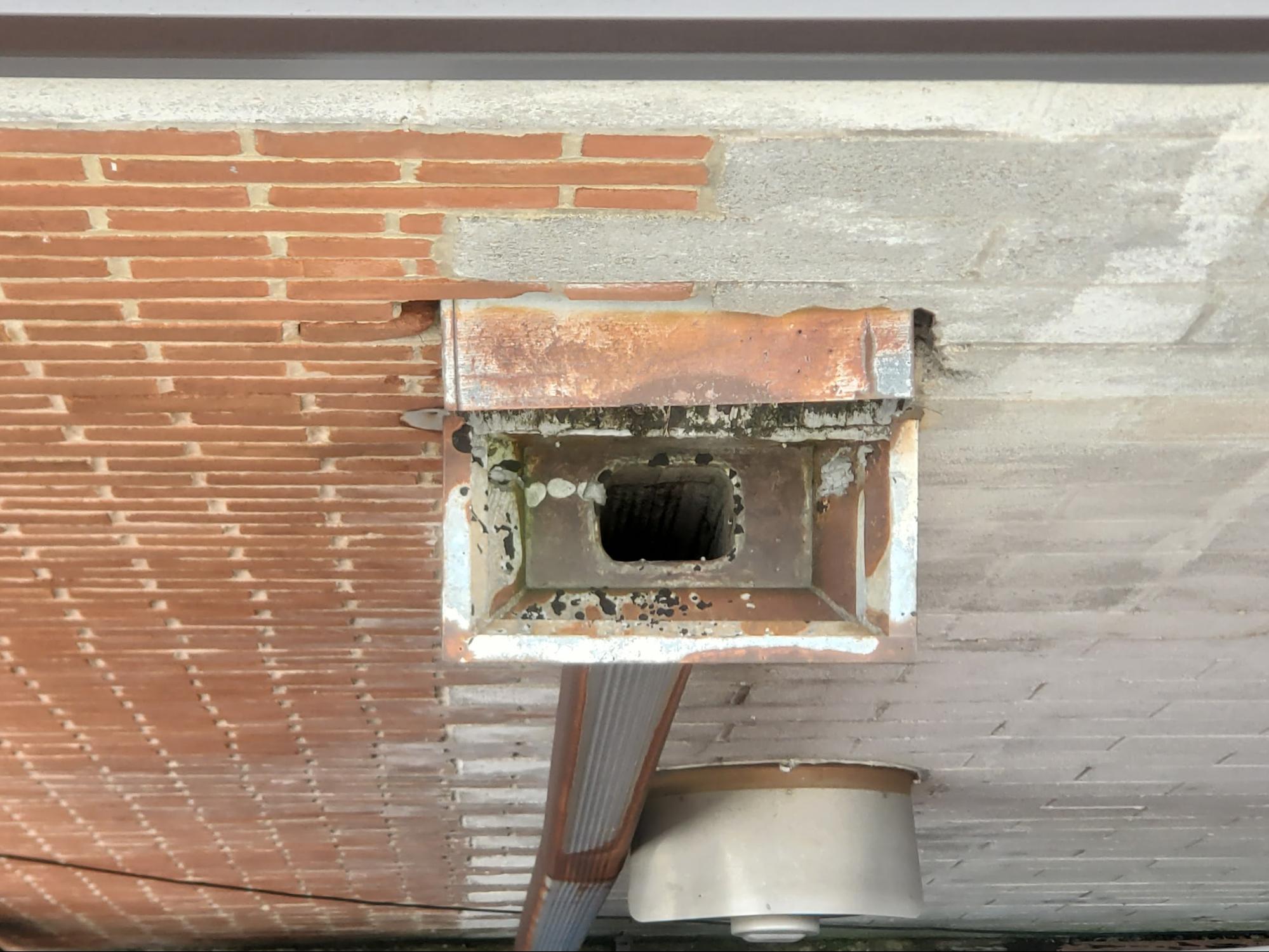
Roof drainage is one of the most neglected and most consequential aspects of commercial flat roof maintenance across Indianapolis. A single plugged roof drain during a heavy Midwest thunderstorm can accumulate enough standing water to exceed the structural load rating of a flat-roof deck — and the resulting ponding stresses lap seams, drives water into open terminations, and sets up conditions that shorten membrane life by years. Commercial Roofers Indianapolis provides commercial roof drain cleaning, repair, and replacement across Indianapolis and Marion County, treating drainage not as an add-on service but as a core component of any complete maintenance or repair engagement.
A commercial roof drain clearing service on an Indianapolis building goes beyond pulling debris from the strainer basket. We clear the drain opening, remove and inspect the strainer basket, snake or flush the drain body and leader pipe to confirm the full drainage path is open to the interior, and inspect the drain flange and membrane termination around the drain for signs of separation, cracking, or open gaps that allow water to bypass the flange and enter the drain's perimeter. Drains that flow slowly but pass a water test often have partial blockages in the vertical leader or horizontal collector pipes — we confirm flow rate at each drain rather than assuming the drain is functional because the basket is clear.
The most common drain failures we encounter on Indianapolis commercial buildings fall into three categories. First, biological blockage: moss, algae, and debris accumulation on flat roofs throughout Marion County — particularly in shaded areas and where HVAC condensate drains nearby — produces persistent organic mat that blocks drains faster than annual clearing can address. Second, drain-body cracking: cast-iron and early plastic drain bodies on commercial buildings installed in the 1970s and 1980s crack under freeze-thaw cycling, separating the flange from the drain body and creating a leak path directly into the roof assembly. Third, membrane termination failure: the membrane clamping ring that terminates the roofing system into the drain body separates over time, creating a bypass path where water flows between the membrane and the drain body rather than through it. We assess all three conditions at every drain we touch.
Drain bodies that are cracked, corroded, or otherwise compromised require replacement rather than patching. We remove failed drain bodies and install commercial-grade replacement drains with clamping rings and factory-compatible strainer baskets sized to the existing opening. For buildings where the existing drain opening is undersized for current occupancy and drainage load — a common condition on older commercial buildings in Downtown Indianapolis that have been expanded or had rooftop HVAC added since original construction — we can upsize drain bodies and install emergency overflow drains to bring drainage capacity into compliance with current code requirements. All drain body replacements include new membrane termination into the drain clamping ring, re-flashed with membrane material compatible with the existing system.
Flat roofs on Indianapolis commercial buildings are designed to drain within 48 hours of a rain event. Chronic ponding — water still standing 72 hours after rain — indicates a drainage deficiency: either a plugged or undersized drain, insufficient slope toward the drain, or a deflected deck section that has created a low spot. Ponding accelerates membrane deterioration faster than any other single factor on Indianapolis commercial roofs. Water retained on the membrane subjects it to continuous UV exposure, freeze-thaw cycling, and biological growth pressure. EPDM membranes under chronic ponding conditions experience adhesive bond failure at lap seams. TPO seams under ponding stress show accelerated weld fatigue in the freeze cycle. We identify and remediate ponding conditions as part of every drain engagement, including slope assessment and, where warranted, tapered insulation specifications to re-establish positive drainage.
The most cost-effective approach to commercial roof drain maintenance on Indianapolis buildings is a scheduled program rather than reactive response. We offer twice-annual drain clearing as a component of our broader commercial roof maintenance programs — spring clearing after winter debris accumulation and fall clearing before freeze season begins. For buildings with heavy tree canopy, industrial exhaust deposits, or HVAC condensate that feeds drain areas, we recommend quarterly clearing visits. All scheduled maintenance visits include a written drain status log that documents flow confirmation at each drain, any observed damage to drain body or flange, and the condition of strainer baskets.
Every drain repair and cleaning engagement closes with a written service report documenting which drains were serviced, what was found at each drain, what repairs were performed, and any conditions that require follow-up attention. Before-and-after photography is provided for all drain body replacements and flange repairs. For portfolio properties managing multiple buildings across the Indianapolis metro, we maintain a drain inventory for each property that tracks drain body type, age, last service date, and noted conditions across every scheduled visit.
Tell us about the building and the roof problem. We'll document it and put a plan in writing — with an honest repair-vs-replace recommendation and no upsell pressure.
Get a Roof Assessment →