Commercial roofing for restaurants, quick-service chains, breweries, and food service facilities throughout Indianapolis, IN.
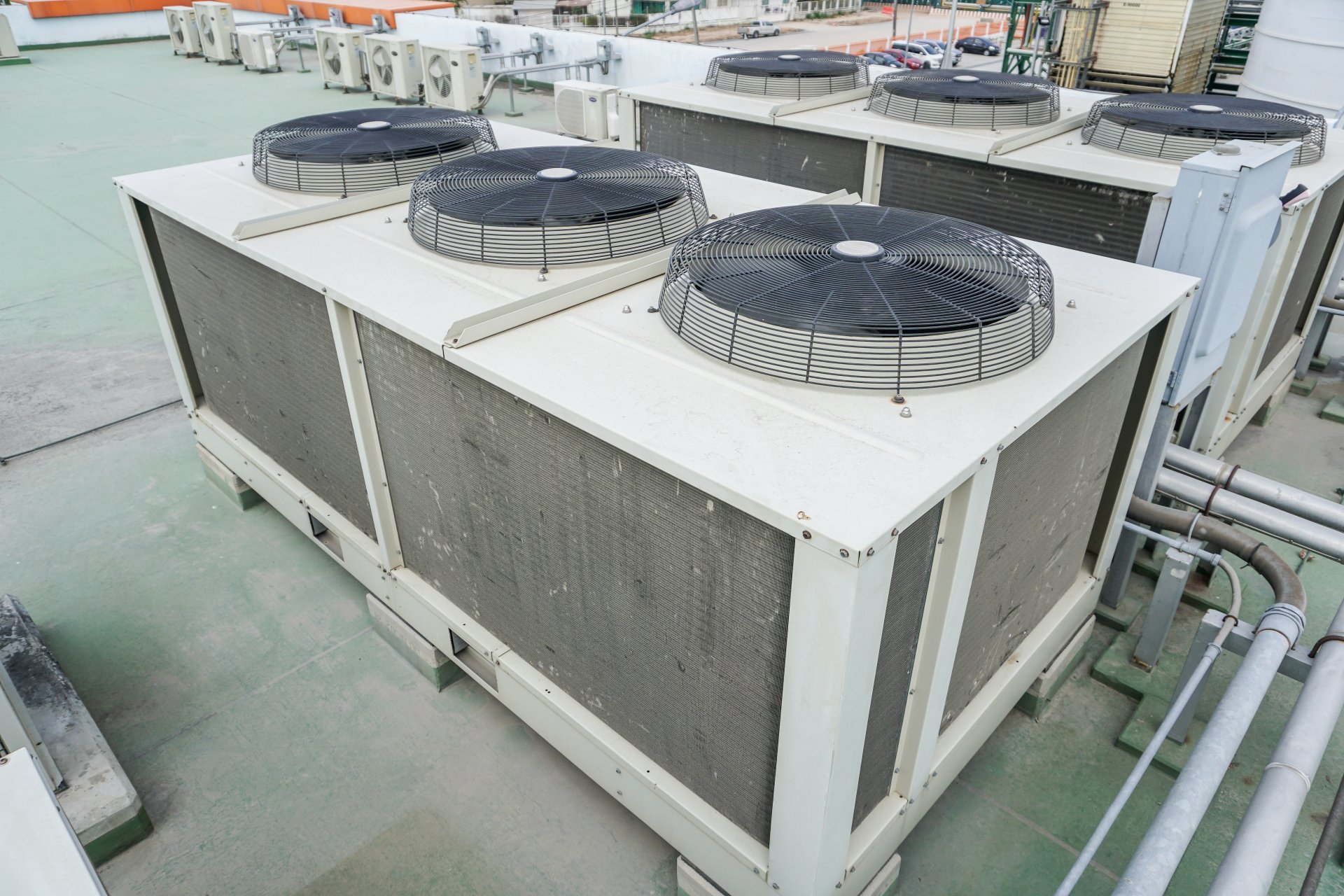
Restaurant and food service roofing in Indianapolis is a specialized category — not because restaurants are structurally unusual, but because the rooftop environment around kitchen exhaust equipment creates chemical conditions that destroy standard roofing membranes in a fraction of their expected service life. Grease-laden air discharged through commercial kitchen exhaust fans deposits oils and fats on the membrane surface around exhaust curbs. Over weeks and months, this accumulation chemically attacks EPDM membranes and degrades certain TPO formulations, creating premature failure within three to five years of installation. Solving restaurant roofing problems in Indianapolis requires material selection matched to the chemical environment, not just to the building's low-slope geometry.
EPDM (ethylene propylene diene terpolymer) membranes are petroleum-based — they break down on contact with hydrocarbons, oils, and fats. A restaurant exhaust fan discharging grease-laden air directly onto an EPDM membrane creates a localized chemical attack zone that softens, swells, and eventually splits the membrane at the area most critical to waterproofing: the exhaust curb flashing. TPO membranes perform better than EPDM in grease environments but are not universally resistant — some formulations are more vulnerable than others depending on the specific chemical composition of the exhaust stream. PVC (polyvinyl chloride) membranes are chemically resistant to fats, oils, and grease and are the industry-standard specification for restaurant and food service roofing applications.
PVC single-ply roofing is the primary specification for new restaurant roof installations and re-roofing projects across the Indianapolis market. PVC's chemical resistance to animal fats, vegetable oils, and the combustion byproducts in kitchen exhaust protects the membrane surface and seam welds from chemical degradation. Heat-welded PVC seams — stronger than the membrane field — provide leak security at exhaust curbs, pipe penetrations, and drain flashings that are the highest-stress points on a restaurant roof. For existing Indianapolis restaurants with non-PVC membranes, a grease-containment strategy (metal exhaust containment tray with drain line to a grease collection point, plus PVC membrane replacement in the affected zone) provides a cost-effective solution without full re-roofing.
Restaurant roofs accumulate rooftop equipment over their operating lives: exhaust fans, makeup air units, refrigeration condensers, HVAC units, gas lines, electrical conduits, and plumbing vents. Each represents a flashing penetration. Exhaust curbs on restaurant buildings deserve special attention — the curb flashing is in direct contact with the chemical discharge zone and must be specified in PVC-compatible materials (PVC-coated metal, PVC pipe boots) to avoid galvanic or chemical incompatibility. We catalog every rooftop penetration type and material during inspection and specify compatible repair or replacement materials for each.
Central Indiana's freeze-thaw cycle creates specific risks for restaurant roofing beyond those common to all commercial flat roofs. Grease deposits on the membrane surface create a surface that holds ice longer and resists drainage, increasing freeze-thaw stress on flashing seams and membrane laps. Interior heat load from commercial kitchens creates higher-than-average rooftop surface temperatures in the winter — this thermal bridge effect can cause differential expansion at penetration flashings. Spring storm events in Indianapolis, which regularly deliver hail, require prompt post-storm inspection on restaurant roofs because grease-degraded membranes are more vulnerable to hail perforation than a healthy membrane.
Multi-location QSR (quick-service restaurant) operators and franchise owners across the Indianapolis metro often manage roofing as a portfolio — multiple buildings, staggered roof ages, varying maintenance histories. We provide written condition reports in a consistent format across all locations, allowing portfolio managers to prioritize repair and replacement by urgency and budget. Documentation is formatted to support franchisor property maintenance requirements and lender/insurance documentation needs on commercial real estate portfolios.
Every restaurant roofing project includes a written scope with PVC membrane specifications, exhaust curb detail, penetration inventory, and drain inspection. Pre-installation condition documentation, installation records supporting manufacturer warranty registration, and a final closeout package are standard. PVC membrane manufacturer warranties of 15 to 20 years (NDL available on qualifying systems) provide long-term coverage when combined with documented semi-annual inspections and grease management. Workmanship warranty is provided in writing.
Tell us about the building and the roof problem. We'll document it and put a plan in writing — with an honest repair-vs-replace recommendation and no upsell pressure.
Get a Roof Assessment →