Commercial roofing for strip malls, shopping centers, anchor stores, and standalone retail buildings throughout Indianapolis, IN.
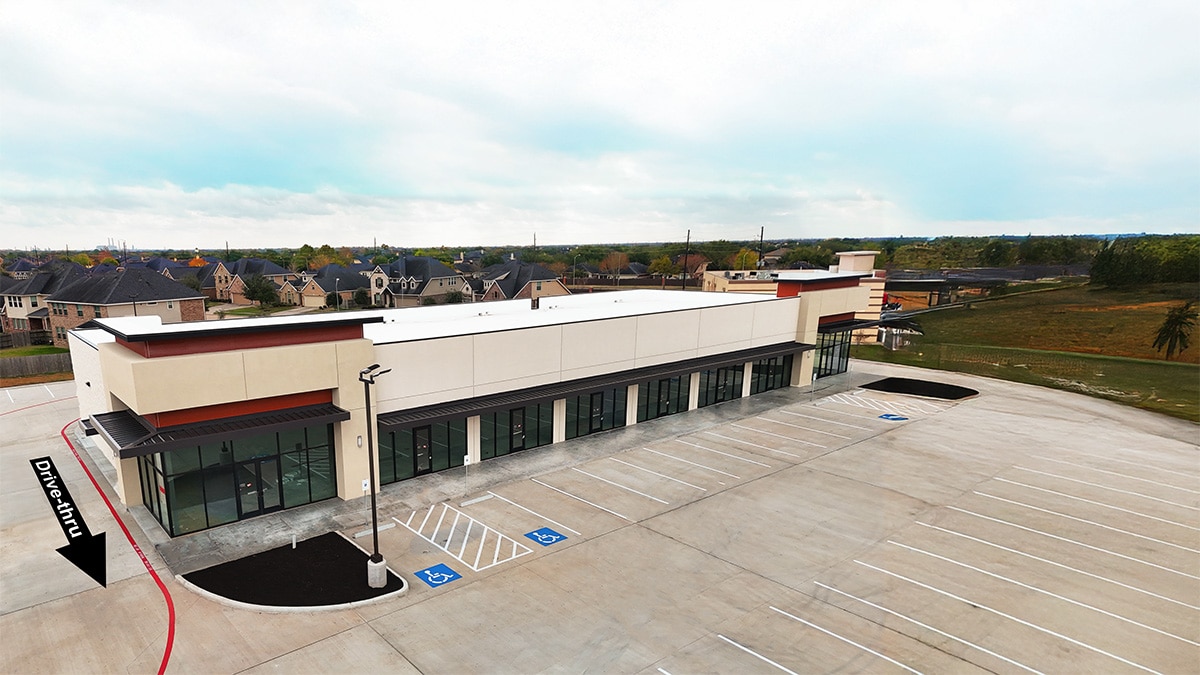
Retail and shopping center roofing in Indianapolis spans a wide range of building types — strip centers along 86th Street and Keystone Avenue, big-box anchor stores in suburban Marion County, standalone QSR buildings and pad sites, and enclosed malls. What these buildings share is a business model that cannot afford extended roofing disruption: retail operations are revenue-producing during business hours, and a roofing contractor who cannot work within normal operating constraints creates direct financial harm to tenants and ownership. Indianapolis retail roofing requires both technical competence and the operational discipline to work around a live business environment.
The dominant roofing system on Indianapolis strip centers and big-box retail is low-slope TPO or EPDM single-ply, with older stock (pre-2000) often carrying built-up roofing (BUR) or aging modified bitumen. Large-format retail — anchors of 50,000 square feet and above — frequently have mechanically attached TPO systems installed during the ENERGY STAR push of the 2000s that are now reaching the end of their service life as seams fatigue and fastener pullout increases in aging decks. Smaller pad-site retail buildings (fast-casual restaurants, bank branches, retail pods) more commonly carry fully adhered TPO or EPDM. Standalone buildings along the I-465 corridor may have standing-seam metal roofing on sloped architectural sections combined with flat membrane sections over the main building volume.
Retail roofing on occupied Indianapolis shopping centers requires a sequenced approach that keeps the building operational during work hours. This means staging material deliveries in early-morning hours before stores open, confining the daily work zone to sections that do not create interior noise or vibration impact on open retail spaces, protecting existing rooftop HVAC during re-roof to maintain tenant climate control, and completing teardown of exposed roof sections before the daily weather risk window. On anchor-tenanted strip centers, we coordinate directly with center management and individual tenant contacts to communicate daily sequencing — a tenant who discovers unexpected roofing activity over their space during business hours is a management problem that a well-run project prevents.
Marion County's spring storm season — typically March through June — is the highest-risk period for Indianapolis retail roofs. Midwest severe weather can produce large-format hail (1-inch and above) that perforates aging membrane systems and displaces granule-surfaced cap sheets on modified bitumen roofs. Post-storm response on retail properties requires both leak containment (interior damage mitigation for tenant merchandise and fixtures) and insurance-grade documentation of storm damage. We provide same-day response for active leaks on retail properties, followed by written damage documentation suitable for insurance claim submission.
Large-format retail roofs in Indianapolis carry significant drainage infrastructure: multiple interior drains per section, overflow drains at parapet scuppers, and downspout leaders feeding into the storm system. Drain blockage on a 100,000-square-foot flat retail roof can impound tens of thousands of gallons of water per storm event — a ponding load that exceeds the structural design capacity of many older retail buildings. Semi-annual drain cleaning and inspection is a standard maintenance requirement for Indianapolis retail roofs and a warranty compliance item on many manufacturer programs. Drain collar and flashing condition should be assessed at every inspection — failed drain flashings are among the most common leak sources on retail roofs.
Shopping center ownership structures range from single-owner net-lease to complex multi-owner configurations where each anchor tenant owns their building and shares common-area roofing with the center operator. In these environments, roof scope and warranty documentation must clearly delineate the work on each ownership parcel and provide independent closeout documentation. We have experience working through the documentation and coordination requirements of multi-tenant retail environments, including NNN lease requirements that place roof maintenance obligations on tenants rather than landlords.
Every retail roofing project delivers a written scope with material specifications, a pre-installation condition report, installation documentation supporting manufacturer warranty registration, and a final closeout package. Manufacturer NDL warranties on qualifying TPO and EPDM systems are available at 15 and 20 years. Drain inspection documentation, HVAC curb flashing inventory, and post-project punch list are included. All documentation is formatted to support property management records, NNN lease compliance files, and lender reporting requirements.
Tell us about the building and the roof problem. We'll document it and put a plan in writing — with an honest repair-vs-replace recommendation and no upsell pressure.
Get a Roof Assessment →