Commercial roofing for mixed-use buildings, urban infill developments, and live-work-play properties throughout Indianapolis, IN.
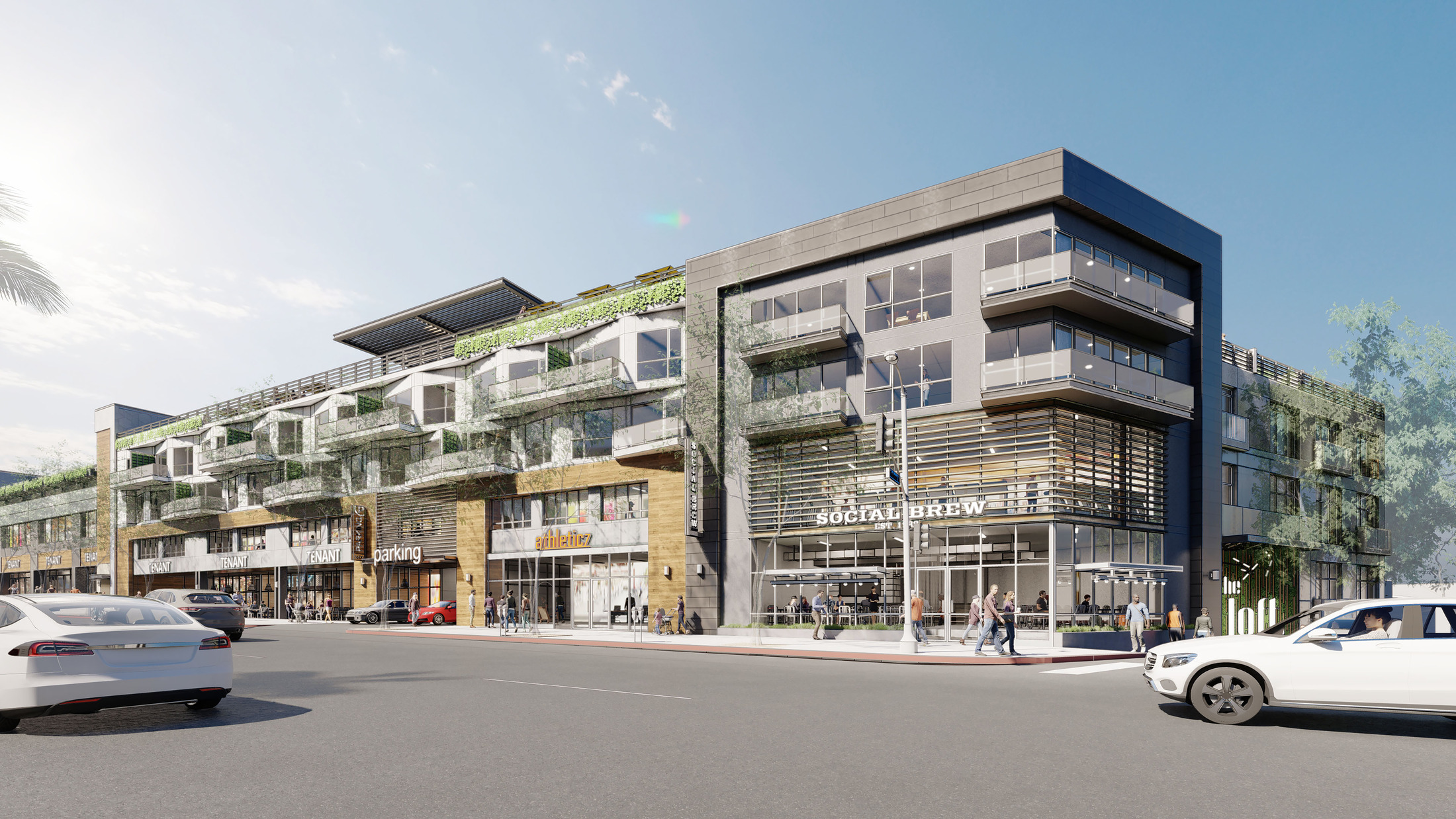
Mixed-use developments — buildings that combine retail, restaurant, office, and residential uses in a single structure — have become one of the defining project types in Indianapolis's urban core and suburban town centers. From the dense infill developments in Broad Ripple, Fountain Square, and Mass Ave to the large-format mixed-use projects at Keystone at the Crossing and along the US-31 corridor, these buildings present roofing complexity that exceeds any single-use commercial property. Multiple uses, multiple tenants, multiple occupancy types, and the likelihood of habitable or occupied space at the uppermost level combine to make mixed-use roofing one of the most consequence-sensitive categories of commercial flat roofing in Central Indiana.
A mixed-use building in Indianapolis typically has at least two distinct roof levels: the primary low-slope flat roof over the uppermost floor, and one or more amenity decks, podium roofs, or terrace levels above retail or parking that are accessible to occupants. The primary roof carries the full waterproofing load for the building interior; the podium or terrace levels may carry waterproofing plus a pedestal paver system, a green roof assembly, or a hardscape finish that serves as an amenity space. Each level requires a different roofing specification — the primary roof may use 80-mil TPO with a standard NDL manufacturer warranty, while the terrace level requires a fully adhered EPDM or TPO membrane with a root-resistant barrier and a protection course rated for the specific overburden assembly above it.
When residential units sit directly below the roof of an Indianapolis mixed-use building, the roofing project's disruption tolerance drops to near zero. Apartment residents cannot be subjected to weeks of construction noise, vibration, and odors that commercial tenants might tolerate. Tear-off operations over residential floors must be phased to work one section at a time, with full membrane and temporary flashing in place at the end of each work day. Adhesive and solvent odors — a consideration on fully adhered membrane projects — must be managed so that they do not enter residential HVAC intakes. The phasing plan for a mixed-use building roofing project is substantially more detailed than for a single-use commercial building and must be approved by the building manager before work begins.
Occupied roof terraces and amenity decks on Indianapolis mixed-use buildings are among the most expensive roofing failures to remediate. When a waterproofing failure occurs below a pedestal paver or green roof assembly, the entire overburden must be removed, the failed membrane identified and replaced, and the overburden reinstalled — a process that typically costs three to five times the original waterproofing installation. Specifying the correct waterproofing system for an occupied terrace requires selecting a membrane that is compatible with the overburden assembly, root-resistant if any planting is present, and rated for the traffic and loading conditions of the specific terrace use. Drainage design beneath the overburden assembly is as important as the membrane itself; standing water trapped beneath pavers creates hydrostatic pressure conditions that accelerate seam and termination failures.
Mixed-use buildings in Indianapolis typically house multiple commercial tenants on the ground and second floors below the residential or office levels above. Coordinating roof access, staging areas, and noise management across the interests of retail tenants, restaurant operators, and residents requires a project communication plan that goes beyond standard construction notification. Restaurant tenants with rooftop HVAC and grease exhaust equipment need advance notice of any work near their equipment. Retail tenants with storefront entries below rooftop staging areas need protection from falling debris. The roofing scope and schedule must address each tenant's specific operational constraints, and the building manager must facilitate the communication before the roofing contractor arrives on site.
Mixed-use buildings in Indianapolis's urban core neighborhoods — Fountain Square, Broad Ripple, the Cultural Districts — often occupy tight urban sites with limited staging access, no perimeter clear zone, and occupied neighbors on adjacent properties. Debris management, crane placement, and material hoisting must be planned within the constraints of the urban context. Central Indiana's climate adds the standard freeze-thaw and storm exposure stresses, with an additional consideration for urban heat island effects in dense neighborhoods: surface temperatures on dark membrane sections can exceed 175°F in summer, requiring adhesive and seam specifications rated for high-temperature performance in the specific microclimate.
Mixed-use roofing projects begin with a written scope that addresses each roof level independently — primary roof, terrace levels, podium sections — with the correct system specification for each zone. The scope includes a tenant communication plan, a phasing schedule compatible with the building's occupancy mix, and daily closeout requirements. Upon project completion, the owner receives manufacturer warranty documentation for each roof system, as-built photographs keyed to a roof plan that shows all levels and their system boundaries, a terrace waterproofing care guide, and a maintenance schedule. For ownership groups managing multiple mixed-use properties in Indianapolis, condition reports formatted for portfolio-level capital planning are available as a separate service.
Tell us about the building and the roof problem. We'll document it and put a plan in writing — with an honest repair-vs-replace recommendation and no upsell pressure.
Get a Roof Assessment →