Commercial roofing for full-service hotels, limited-service hotels, extended-stay properties, and hospitality brands throughout Indianapolis, IN.
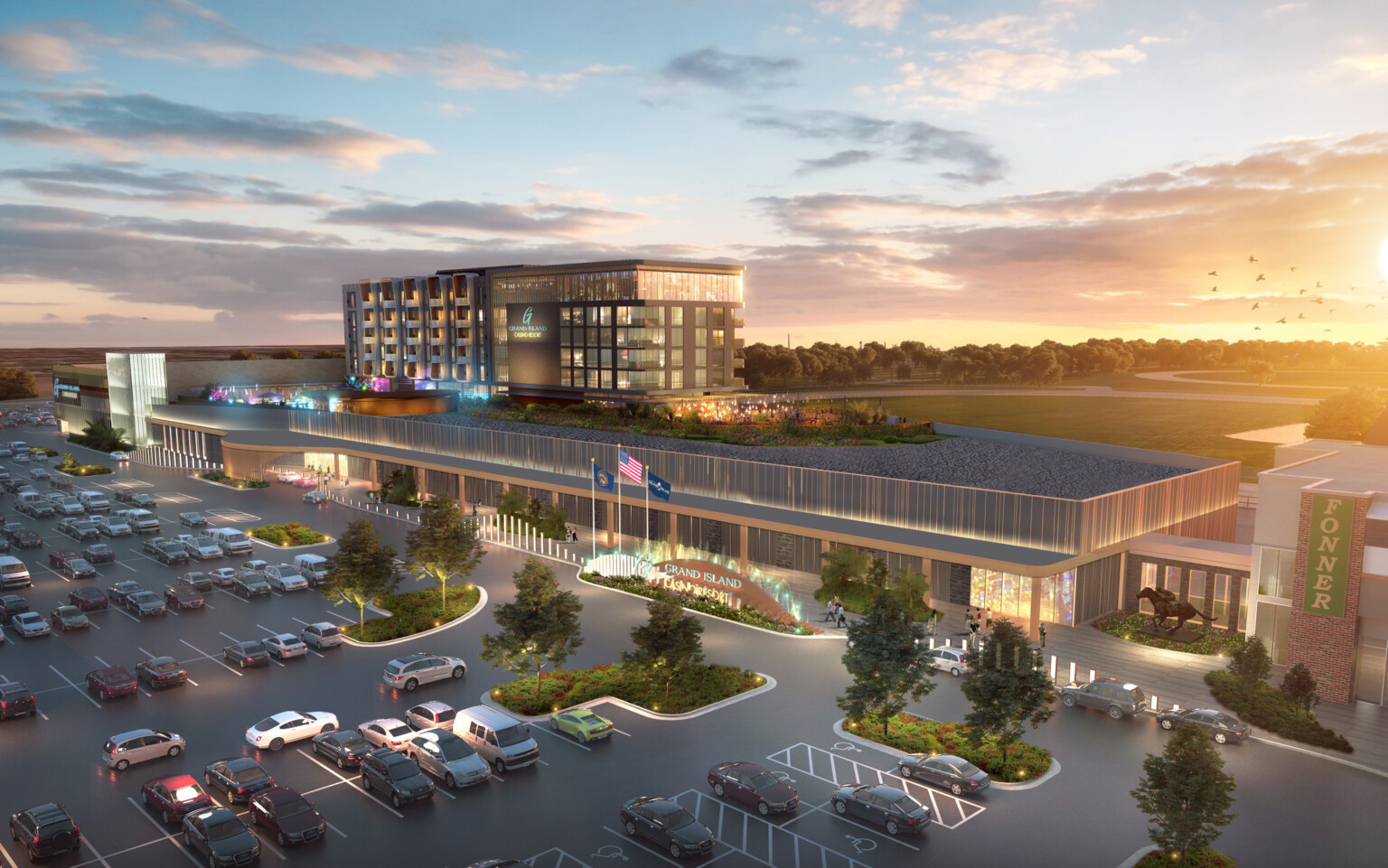
Full-service hotels, limited-service properties, extended-stay brands, and boutique hospitality venues in Indianapolis share a common roofing challenge: the building is never empty. Guest rooms, meeting spaces, and lobby areas are occupied around the clock, 365 days a year. A water intrusion event — whether from a storm, a failed membrane seam, or a blocked drain — immediately creates both a guest experience problem and a potential property damage claim. Indianapolis hotels and hospitality properties require roofing contractors who understand the guest-impact constraints, the brand standards that govern facility appearance, and the documentation that hotel asset managers and ownership groups expect from every capital improvement project.
Indianapolis hotel properties range from high-rise urban towers in the downtown convention corridor to mid-rise limited-service properties clustered around the I-465 interchange nodes and along US-31 and Keystone Avenue. Large convention-class hotels typically have flat roofs over the main tower and lower-slope assembly roofs over ballroom wings, conference center additions, and porte-cochère canopies. Limited-service properties often combine low-slope flat roof sections over the room block with steep-slope roofing on entry features or decorative dormers. Roofing specifications must address each section independently. For the flat roof sections — which carry the majority of the waterproofing load — TPO, EPDM, and PVC single-ply systems are the standard contemporary choice, with modified bitumen used on properties with older roof assemblies that qualify for recover rather than full replacement.
Noise, odors, and debris are the three primary guest-impact concerns during hotel roofing projects in Indianapolis. Mechanically attached TPO and EPDM systems using fastener guns create significant noise that is clearly audible in rooms directly below the work area. Tear-off operations using equipment on the roof create vibration that guests in adjacent rooms notice. Scheduling noisy operations for early morning hours — before checkout time — and avoiding work directly above occupied room blocks during peak check-in periods reduces the guest impact without eliminating it. For downtown Indianapolis hotels near Lucas Oil Stadium and the Convention Center with event-driven occupancy spikes, coordinating the roofing schedule around the convention calendar may shift the project timeline but avoids the brand damage of a negative guest experience during a high-profile event weekend.
National hotel brands maintain rooftop appearance standards that govern visible roofing elements — parapet cap heights, rooftop equipment screening, and the finish of visible roof membrane at terraces or rooftop amenity areas. Brand property improvement plans (PIPs) sometimes include roofing specifications that require specific membrane colors or system types to comply with the brand's portfolio standards. Before specifying a roofing system for a flag-operated Indianapolis hotel, the roofing scope should be reviewed against any applicable PIP requirements and brand-specific construction standards. A specification that installs the wrong membrane color on a terrace-level roof visible from guest rooms above may require rework before the next brand inspection.
Indianapolis hotel properties face the same freeze-thaw cycling, summer heat loading, and Midwest storm exposure as any other Central Indiana commercial building, with one additional complication: indoor pools, high-humidity kitchen areas, and large HVAC systems create elevated vapor pressure conditions that stress roof assemblies at their perimeter transitions and mechanical curb flashings. Indoor pool enclosures with flat roofs require vapor retarder specifications that account for the exceptionally high indoor humidity; failures at the vapor retarder level allow condensation to accumulate in the insulation, causing system degradation well before the membrane shows visible failure. Hotel kitchens exhaust significant heat and grease through rooftop equipment; the roof membrane and flashing immediately surrounding kitchen exhaust curbs must use chemical-resistant materials rated for grease exposure.
Hotel ownership groups, REITs, and private equity operators managing Indianapolis hotel assets require roofing documentation that integrates with property due diligence, capital reserve modeling, and brand reporting. A condition report format that includes remaining useful life estimates, capital replacement cost projections, and warranty status is more useful to a hotel asset manager than a simple pass-fail inspection report. For portfolio owners managing multiple hospitality properties across Marion County or the broader Indianapolis MSA, a consistent condition report format that allows cross-property comparison supports capital planning decisions across the portfolio rather than on a property-by-property reactive basis.
Every hotel roofing project begins with a written scope that identifies the work sequence, daily closeout requirements, noise and vibration management provisions, and any brand-specific installation requirements. Guest notification protocols and temporary access restrictions are documented and approved by property management before work begins. Upon completion, the owner or asset manager receives manufacturer warranty registration, as-built documentation with a penetration schedule, and a capital planning summary that identifies the next required maintenance milestone and projected replacement horizon. The closeout package is formatted to support both the property manager's facilities records and the asset manager's portfolio reporting requirements.
Tell us about the building and the roof problem. We'll document it and put a plan in writing — with an honest repair-vs-replace recommendation and no upsell pressure.
Get a Roof Assessment →