Commercial roofing for Eli Lilly, Roche Diagnostics, Corteva Agriscience, and the broader Indianapolis pharmaceutical and life sciences campus inventory — clean-zone protocols, validated production sequencing, and documented closeout.
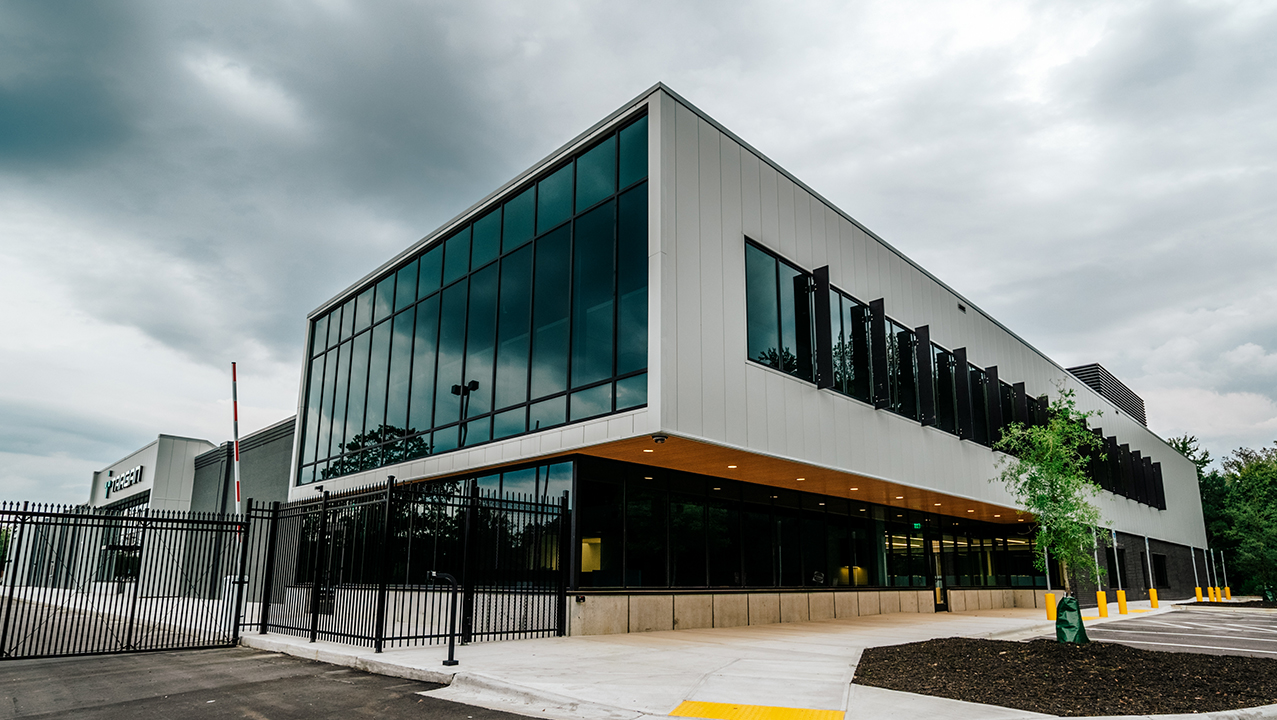
Roche Diagnostics operates its North American diagnostics campus in Castleton on the northeast side of Indianapolis — a 200-plus-acre complex with multiple manufacturing and administrative buildings, active clean-room environments, and a facility operations team that manages roofing as a regulated maintenance activity, not a one-off construction project. Corteva Agriscience, spun out from DowDuPont and headquartered in Indianapolis, adds another tier of research-grade building operations to the metro's pharmaceutical inventory.
Roofing in this sector is not standard commercial work. The moment a roofing crew installs material on an air-handling unit intake building adjacent to an active pharmaceutical manufacturing floor, the stakes of a dust, debris, or vibration protocol failure are measured in batch losses and FDA compliance events, not inconvenience. We have worked through these protocols — they govern every phase of how we plan, stage, and close out pharmaceutical roofing projects.
The Lilly campus is a city within a city. Access is controlled at security checkpoints with credentialing requirements. Material deliveries require advance manifests. Crane lifts within the campus footprint are coordinated with Lilly's facilities operations team days in advance. Hot-work permits go through Lilly's safety department, not the municipality. The facility team reviews our project-specific safety plan before mobilization, not during.
Clean-zone protocols vary by building. Research and manufacturing buildings in active pharmaceutical production require HEPA-filtered negative-pressure staging at any roof penetration. Administrative and support buildings carry lighter protocols — but the on-site facilities coordinator identifies which protocol applies to each building. We document this classification in the pre-construction package, and our crew lead carries the approved protocol sheet for every building where we are active.
Roof work at Lilly is also warranty-sensitive. Lilly's facilities standards specify approved membrane manufacturers and installation specifications for many of their buildings. We review Lilly's roof asset standard before scoping any project on their campus — the manufacturer selection follows from their standard, not from our stock preference.
Roche's Indianapolis campus sits at the intersection of I- — a location that puts it in the Castleton industrial and office cluster with direct highway access. The facility runs multiple building categories: manufacturing, warehouse and distribution, administrative office, and employee amenities. Each category carries different roofing priorities.
Manufacturing buildings at the Roche campus run roof-mounted exhaust systems tied to manufacturing processes. Any roofing work around those exhaust stacks requires coordination with the plant's production schedule. We scope the sequencing before the project starts — penetration work and stack-adjacent flashing replacement are scheduled during planned production downtime windows, not improvised in the field when the crew discovers the conflict.
The Roche facilities team runs a documented roof asset management program with regular condition assessments and capital planning cycles. We have participated in third-party condition assessments and competitive replacement bids for buildings on this campus — the documentation format, scope structure, and warranty closeout package are written to integrate with their program, not to stand alone as a one-time contractor deliverable.
The phrase 'validated protocol' means something specific in pharmaceutical facility management: it means the procedure is written, reviewed, approved, and deviation-documented. When Lilly or Roche asks us to submit a project-specific safety plan, they are not asking for a generic contractor safety boilerplate. They are asking for a validated procedure that their safety and facilities teams can review, mark up, and approve before our crew's boots hit the roof.
Our pre-construction package for pharmaceutical campus work includes: a roof zone diagram with phasing plan, a dust and debris control plan specific to the building's adjacency to controlled environments, a hot-work permit application, a material-handling plan documenting crane placement, lay-down zone, and traffic routes, and a closeout documentation plan that maps to the facility's roof asset management system.
Dry-in sequencing is tighter on pharmaceutical campus work than on standard commercial buildings. We do not leave any section open overnight — ever. In Indiana's spring climate, where a line of thunderstorms can develop from the southwest with three hours of warning, a pharmaceutical manufacturing building with an open roof section is not an acceptable risk. We size our daily production sections conservatively and have a dry-in crew on call for weather holds.
The older research buildings on Indianapolis pharmaceutical campuses present a specific freeze-thaw failure pattern. Many were built in the 1960s through 1980s with built-up roofing on concrete decks. Interior humidity loads from laboratory exhaust, process steam, and controlled-environment HVAC often exceed 50% relative humidity year-round. Without a properly placed vapor retarder, that interior moisture migrates into the roof assembly and freezes in the insulation during Indianapolis winters.
We have inspected research buildings on the south-side pharmaceutical corridor where moisture cores pulled from the insulation showed saturation above 40% by weight — saturation that had been cycling freeze-thaw for years, slowly corroding the concrete deck's embedded fasteners and delaminating the insulation layers. The replacement scope for these buildings includes a full vapor retarder remediation, not just a membrane replacement over the existing wet insulation.
The post-replacement maintenance contract is more important on pharmaceutical campus buildings than almost any other building type. A lapsed warranty on a Lilly research building or a Roche manufacturing suite exposes the facility's capital program to an unplanned emergency replacement — the highest-cost and lowest-control outcome in roofing. We write maintenance contracts that map to the facility team's inspection cadence and document each visit against the manufacturer's warranty maintenance requirements.
Our project managers have direct experience with Lilly campus protocols, Roche Diagnostics facility standards, and Indiana pharmaceutical campus roofing requirements. We start with a pre-construction review, not a generic proposal.
Tell us about the building and the roof problem. We'll document it and put a plan in writing — with an honest repair-vs-replace recommendation and no upsell pressure.
Get a Roof Assessment →