Commercial roofing for IU Health, Eskenazi Health, Community Health Network, Franciscan Health, and the full Indianapolis healthcare campus inventory — infection control, hot-work permits, Joint Commission documentation.
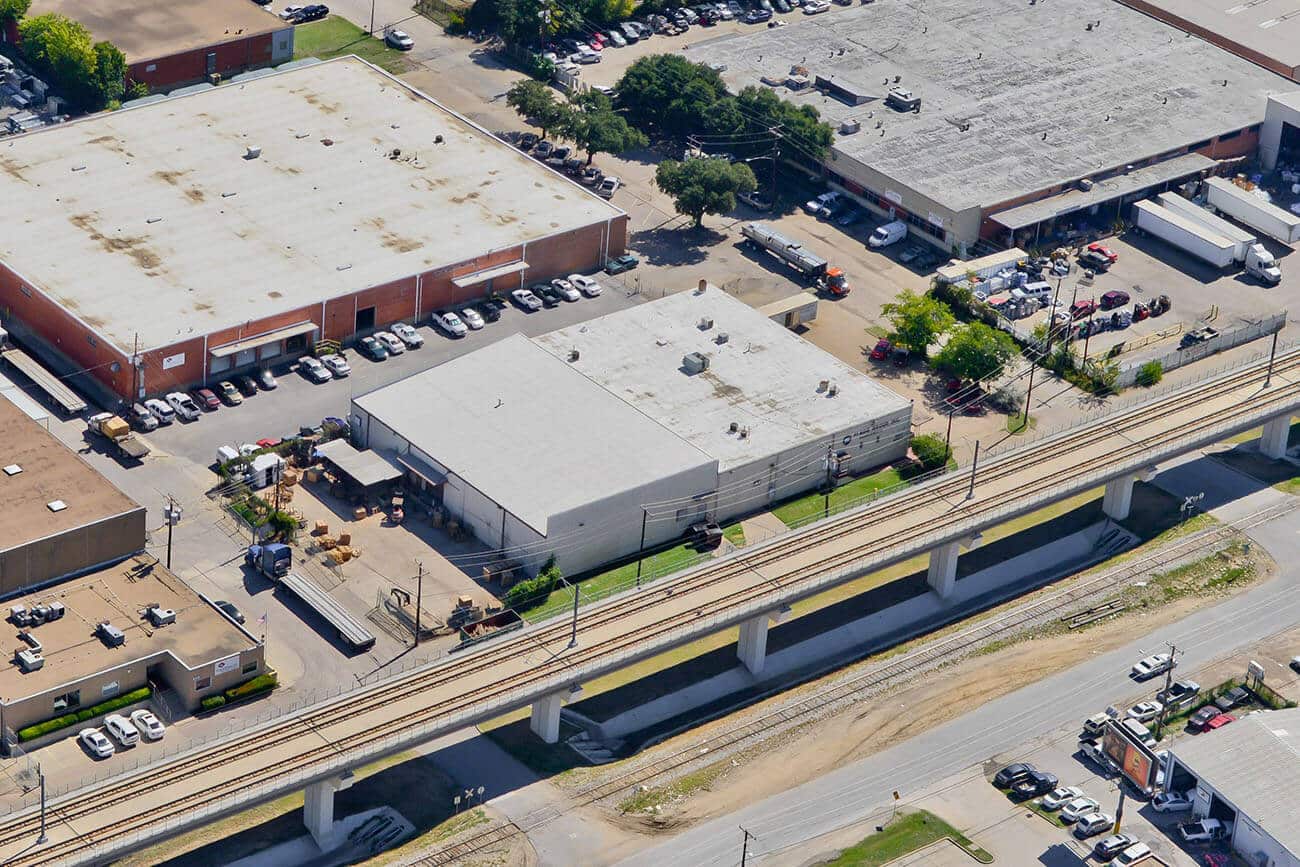
Indianapolis's healthcare sector is not a single hospital. It is four competing health systems — IU Health, Eskenazi Health, Community Health Network, and Franciscan Health — each with multiple campuses, medical office buildings, and outpatient facilities distributed across Marion County and the surrounding suburbs. The IU Health Methodist campus alone spans multiple city blocks on Capitol Avenue north of Downtown, with a physical plant that includes buildings from the 1950s through active new construction.
Eskenazi Health's Sidney and Lois Eskenazi Hospital, opened in , is one of the most architecturally complex public hospital buildings in the Midwest — a LEED Gold structure with a rooftop garden, complex drainage systems, and a facility operations team that manages roofing as a regulated maintenance activity. Community Health Network's primary campus in Anderson and its Marion County facilities add another layer of suburban medical office and outpatient surgery center roofing to the Indianapolis inventory.
The difference between healthcare roofing and standard commercial roofing is not the membrane or the insulation. It is the operational framework around the installation — the infection control risk assessment, the hot-work permit tied to the facility's fire watch protocol, the production scheduling around active surgical floors, and the Joint Commission documentation that the building owner needs at closeout. That framework is what we bring to healthcare roofing work in Indianapolis.
Methodist Hospital on Capitol Avenue runs 24 hours. The surgical suites, intensive care units, and emergency department never go dark. Roofing production on any building connected to active patient care areas requires an Infection Control Risk Assessment completed before mobilization, reviewed by the hospital's infection control officer and facilities team. The ICRA is not a formality — it determines which containment barriers go up, which HVAC intakes get monitored, and what negative-pressure protocols apply to any section of the work.
Hot-work permits at IU Health require a fire watch per the hospital's internal protocol, which is more stringent than the municipal fire code minimum. We coordinate the fire watch staffing with the hospital's facilities team and document each hot-work event in the project log — the documentation that protects both the hospital and the roofing contractor in the event of a Joint Commission inspection.
Production sequencing at Methodist is planned around floor-level occupancy. We do not run tear-off production above occupied surgical floors or intensive care units without prior approval from the facilities director and the affected floor's charge nurse manager. We build this constraint into the production schedule before contract signing — so the hospital's operations team knows exactly when production is above them, not after the fact.
Eskenazi Hospital's 2013 structure brought a new generation of roofing complexity to the Indianapolis public hospital system. The rooftop garden on the main hospital building requires a protected membrane assembly with root-barrier and drainage mat layers that differ entirely from standard flat-roof single-ply work. Any repair or replacement work touching the garden assembly requires coordination with the landscape maintenance contractor as well as the facility's engineering team.
Eskenazi's physical plant team runs a documented preventive maintenance program with annual roof inspections and capital reserve projections. Repair and replacement scopes for Eskenazi buildings integrate with their existing maintenance records — we document condition against the building's established baseline, not as a standalone assessment.
The older Indiana Avenue clinic buildings that predate the 2013 hospital construction often carry modified bitumen or built-up roofing systems well past their design life. Replacement scopes for these buildings include moisture-core testing and deck inspection — Eskenazi's facilities team has been dealing with vapor retarder failures in the older buildings for years, and the replacement scope needs to address the root cause, not just the membrane.
Community Health's network of Marion County hospitals, outpatient surgery centers, and medical office buildings represents a large distributed roofing inventory across the Indianapolis east side and northeast suburbs. MOBs and surgery centers run smaller footprints than the Downtown hospital campuses but carry the same infection control requirements — a surgical procedure happening on the second floor of a Community Health MOB while roofing is running on the third floor requires the same ICRA framework as work on a hospital campus.
Franciscan Health's Indianapolis-area facilities, including its sites in Mooresville and the southwest suburbs, add another tier of faith-based health system campus roofing to the market. Franciscan facilities often carry additional documentation requirements tied to their system's property management standards — we are familiar with the closeout package format these systems require.
For multi-building healthcare systems, we offer a portfolio condition assessment approach: one project manager, one inspection format, one report structure across all buildings in the system's Marion County or metro inventory. This gives the system's capital planning team a single consistent dataset to work from, instead of a collection of one-off proposals from different contractors with different report formats.
Our project managers are experienced with IU Health, Eskenazi, and Community Health protocols. We start with a pre-construction review and produce a written scope with ICRA documentation included.
Tell us about the building and the roof problem. We'll document it and put a plan in writing — with an honest repair-vs-replace recommendation and no upsell pressure.
Get a Roof Assessment →