Roofing for mixed-use developments in Indianapolis, IN. We coordinate retail, residential, and amenity roof areas, multiple warranties, and occupied-building work across districts like Bottleworks and CityWay.
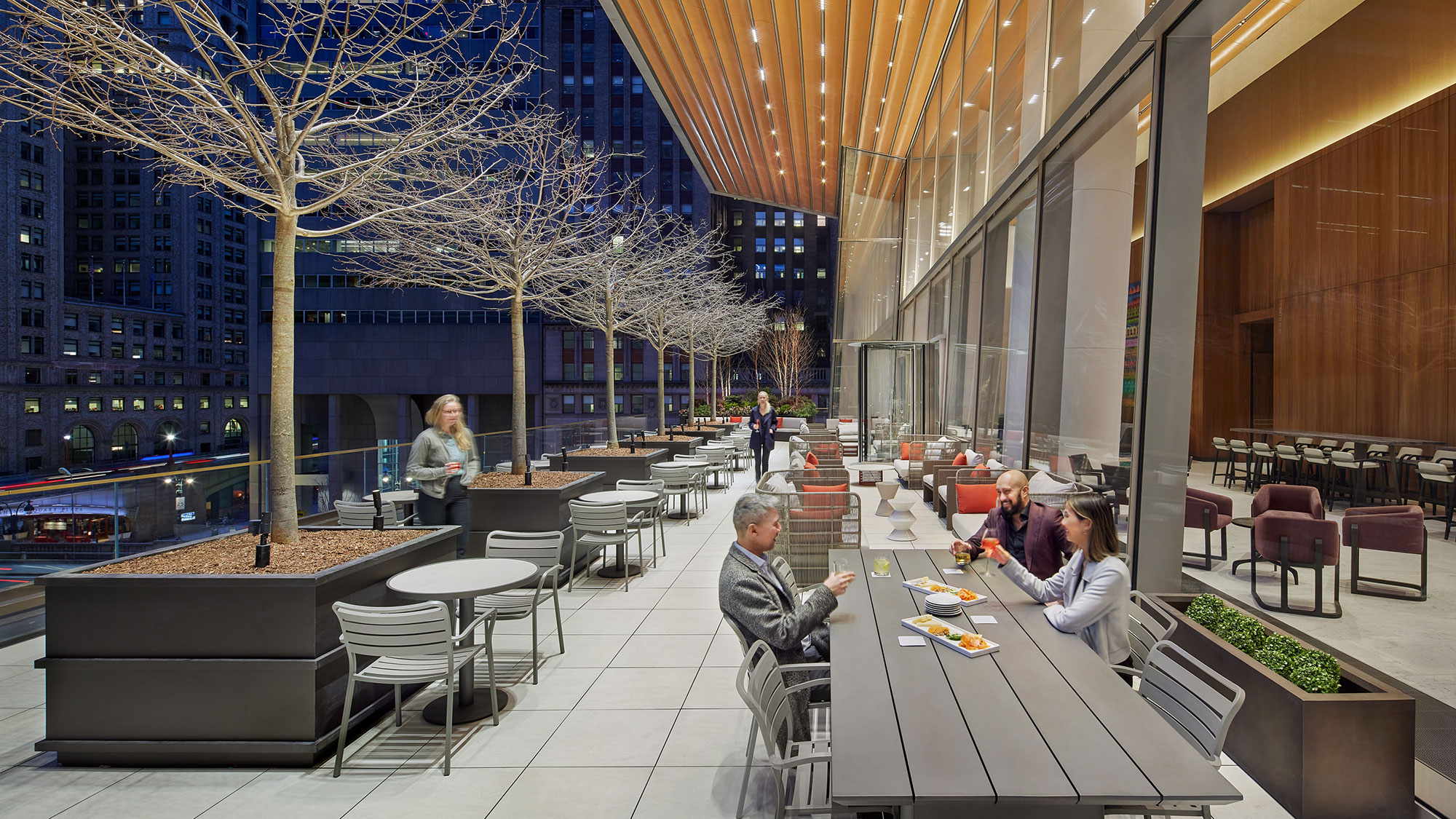
Mixed-use is the format reshaping how Indianapolis builds, and it is also one of the most complicated roofing assignments in the city. Ground-floor retail and restaurants, apartments or condos above, a parking structure folded in, and often an amenity deck or green roof on top mean a single development can carry several distinct roof types at several different heights, sometimes under different ownership. We work on these projects across the market, from the Bottleworks District anchoring the north end of Mass Ave and the historic Stutz redevelopment to the CityWay blocks near downtown and the dense Midtown and City Center growth up in Carmel. Each of these is not one roof but a stack of roofing problems that have to be solved together.
Indianapolis has leaned into this format because it concentrates demand the way the city's downtown revitalization and walkable-district push has rewarded. For a roofing contractor that means the building above a restaurant and the building above a resident's bedroom are physically the same structure, and a roof problem in one immediately becomes a problem for the other. The retail tenant's grease exhaust, the residents' quiet hours, and the HOA's reserve schedule all live on top of each other, and the roof sits at the intersection of every one of them.
The low-slope roof over a ground-floor retail podium has nothing in common with the pitched or low-slope roof over the residential floors, and both differ from a planted amenity deck or a roof terrace residents actually walk on. The retail roof deals with restaurant exhaust, grease, and heavy rooftop HVAC. The residential roof prioritizes quiet, leak-free performance directly over people's living space. The amenity deck has to be a waterproofing system robust enough to live under pavers, planters, and foot traffic. Treating all of that as a single generic roof is how mixed-use buildings end up with chronic problems, and we approach each zone on its own terms while keeping the whole assembly coordinated.
Grease is a real factor where there is a restaurant below. Kitchen exhaust deposits grease onto the surrounding roof surface, and most membranes do not love that exposure, which is one reason PVC often earns its place over retail areas where other membranes would degrade. The residential portions, meanwhile, are where a leak does the most relational damage: water into a leased apartment or an owned condo is not just a repair, it is an angry resident and potentially a damaged unit interior. We hold the detailing tightest over the spaces where people live and sleep.
Many Indianapolis mixed-use buildings now include a roof terrace or a green roof as an amenity, and these are waterproofing systems first and landscaping second. A leak under a paver deck or a planted tray is genuinely difficult to locate and expensive to access, because the source can be anywhere under a surface that has to be partially dismantled to investigate. We build and maintain these assemblies knowing that, focusing on the waterproofing membrane and its terminations beneath whatever the residents see, and planning access so a future repair does not mean tearing out the entire deck to chase one leak.
The detail that most often goes wrong on a mixed-use development is warranty coordination. A single building can have several roof areas installed at different times, by different trades, under different manufacturer warranties, and owned by different parties once the retail condo and the residential association are split out. When a leak appears, the first fight is often about whose roof it is and whose warranty covers it, and that confusion costs time while water keeps entering. We help owners and associations get this organized: documenting which warranty covers which area, who is responsible for what, and what maintenance each warranty requires to stay valid. On a building this layered, knowing the answer before a leak happens is worth a great deal.
That coordination extends to tenant and resident work. When a restaurant's contractor sets new kitchen exhaust, or a building engineer adds rooftop equipment for the residential floors, uncoordinated penetrations can void the warranty on that section without anyone realizing it until there is a claim. We work with property managers and associations to route any rooftop work through a single point so the warranties across the whole development stay intact.
Drainage on a mixed-use building is complicated by all the level changes. Roofs at different heights, terraces draining onto lower roofs, and parking structures all have to move water without dumping it where it ponds or where it sheets onto a pedestrian entrance below. Central Indiana's freeze-thaw winters punish any low spot that holds water, and on a building with people living above and shopping below, a drainage failure has consequences on multiple floors at once. We assess how water moves through the entire development and correct the spots where the original design left it stranded.
Just as important, these buildings are always occupied. Residents are home at all hours, retail keeps daytime traffic, and restaurants run into the night, so there is rarely a convenient window when the building is empty. We stage mixed-use work to keep ground-floor entrances open for both shoppers and residents, schedule the loudest work in consideration of residential quiet hours, and protect terraces and amenity areas residents expect to use. The development keeps living its normal life while the roof gets handled.
Because a mixed-use property carries several roof systems aging on different timelines, it benefits enormously from a managed approach. We set up inspections that cover every zone, keep records an association or property manager can actually use, and build capital plans that stage roof work across budget years instead of letting several areas fail at once. For developments split between retail and residential ownership, that shared, documented picture keeps reserve planning honest and prevents one party from being surprised by the other's deferred maintenance. If you own, manage, or sit on the board of a mixed-use development anywhere in Indianapolis, we can walk every roof area, sort out the warranty picture, and give you a coordinated plan for the building as a whole.
Tell us about the building and the roof problem. We'll document it and put a plan in writing — with an honest repair-vs-replace recommendation and no upsell pressure.
Get a Roof Assessment →